One Puzzle a Day: The 30-Second Fridge Ritual That Gets Toddlers Thinking (While You Sip Your Coffee)
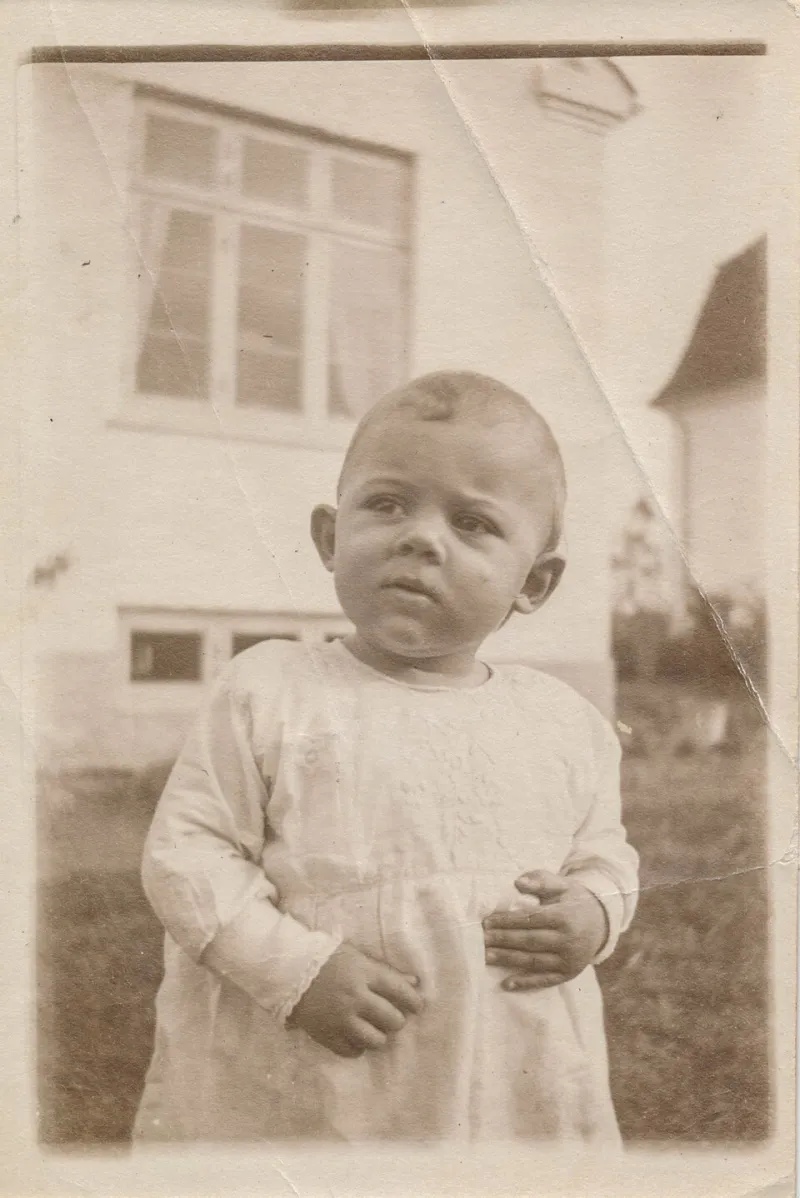
Photo: simpleinsomnia, CC BY 2.0, via Wikimedia Commons
Somewhere between the second cup of coffee and the first demand for waffles, most mornings in our house used to feel like a scramble. Then we started the fridge puzzle, and honestly, it changed the shape of our mornings.
The concept is embarrassingly simple: every morning, one small brain teaser goes up on the fridge. A riddle. A "what's missing" picture. A find-the-silly-scene. My toddler gets a puzzle to chew on while I get roughly the length of one full, hot cup of coffee. It's the best trade I've made as a parent.
Why a Daily Puzzle Works (Even Better Than a Big One)
Toddlers are pattern machines. Their brains are wiring like crazy between ages 2 and 4, and repetition with variation is exactly the kind of input that builds recognition and memory. A brand-new game every day is exciting but exhausting. The same kind of game, with a fresh twist daily, hits a sweet spot: familiar enough to feel safe, new enough to be interesting.
There's also the ritual factor. When the puzzle is always in the same place — the fridge, right at eye level — it becomes something your child anticipates and initiates. Ours now points at the fridge before we've even poured the milk. That anticipation is a mini exercise in memory all by itself: what kind of puzzle will it be today?
And the payoff for you is real. Thirty seconds to set up, and it buys you the time it takes for a toddler to solve, retell, and demand a second look. That's a coffee's worth of calm in most households.
The Setup: Under a Minute of Effort
You need three things:
- A spot at toddler height. Fridge door, back of a cabinet, even a kitchen cabinet door works.
- A stash of teasers. Write a week's worth on index cards Sunday night, or keep a stack of sticky notes on the counter.
- A marker or crayon within reach. Letting your child circle, check, or "X out" the answer makes it interactive — and sneaks in fine motor practice.
That's it. No laminating, no Pinterest board, no purchasing anything.
Your First 30 Days of Teasers
Here's a full month to get you started. Mix the types through the week so no two days in a row feel the same.
Riddles (weeks 1 and 3):
- "I'm yellow and I grow in a garden. I turn to face the sun. What am I?" (A sunflower)
- "I have four legs but never walk. You sit on me. What am I?" (A chair)
- "I'm cold and I live in the freezer. You put me on a scraped knee. What am I?" (An ice pack)
- "I say moo and I give you milk. What am I?" (A cow)
- "I fall from the sky and I'm wet. You splash in me. What am I?" (Rain)
- "I have hands but can't clap. I tell you when it's snack time. What am I?" (A clock)
- "I'm round, I bounce, and I love the park. What am I?" (A ball)
- "I wear a red suit and pull a wagon of veggies. What am I?" (A farmer)
- "I light up the night sky and I'm not a lamp. What am I?" (The moon)
- "I have wheels and a ladder, and I make a loud siren. What am I?" (A fire truck)
- "I'm brown, I'm sticky, and bears love me. What am I?" (Honey)
- "I have pages and a cover. We read me before bed. What am I?" (A book)
- "I'm white, I fall in winter, and you can squash me into a ball. What am I?" (Snow)
- "I live in a shell and waddle when I walk. What am I?" (A penguin or turtle — both count!)
What's Missing (weeks 2 and 4): 15. Set the breakfast table, remove one fork. What's missing? 16. Line up three stuffed animals; hide one behind your back. 17. Draw a face missing its nose. 18. Build a block tower; remove one block from the middle and ask what changed. 19. Put on your coat but no shoe — what's missing? 20. Set out a toy car, a crayon, and a spoon. Turn around, hide the spoon. 21. Draw a house with no door. 22. Line up spoons of different sizes; remove the little one. 23. Draw a dog with no tail. 24. Set out a cup, plate, and napkin — but no cup. 25. Stack two socks on one foot, none on the other.
Find the Silly (the last two days, and a great weekend option): 26. Draw a cat driving a car. 27. Draw a tree with bananas growing on it. 28. Draw a person wearing a hat on their foot. 29. Draw the sun coming up at the bottom of the sky. 30. Draw a fish taking a bath in a bathtub.
Expect giggles on the silly ones. The point of find-the-silly is that spotting what's wrong requires knowing what's right — that's logic in training.
Scaling It as They Grow
The beauty of this ritual is that it grows with your kid without changing shape:
- Age 2: Stick to riddles about everyday objects and very obvious missing items. Answer together, out loud.
- Age 3: Add a pause. Count to three silently before offering a hint. Three seconds of thinking time feels like nothing to you and enormous to them.
- Age 4: Flip the roles. Your child draws the missing piece or invents the riddle for you. Guessing wrong on purpose ("Is the answer... a hippopotamus?") gets huge laughs and makes them the teacher.
If a teaser lands flat, don't sweat it. Toss it in the pile and try a different type tomorrow. Some days the puzzle is a hit; some days the waffles win. That's fine — the habit is what matters, not any single morning.
The Real Payoff
A month in, I noticed something I hadn't planned on: my daughter started creating puzzles. She'd hide the remote and announce, "What's missing?" She'd draw a dog with five legs and wait for me to notice. The fridge teaser had turned from a thing we did into a way she sees the world — spotting details, testing ideas, asking questions.
Thirty seconds a day. One index card, one marker, one mug of coffee that's actually still warm. If your mornings could use a small win, the fridge puzzle is waiting.