The Photo Pile Story Hour: Turning Old Snapshots Into a Toddler's First Plot Machine
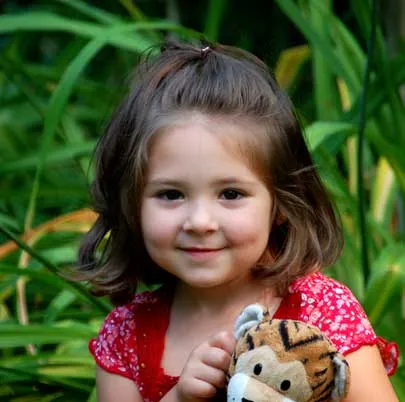
Photo: AnnaFayett-Holmes, CC BY-SA 4.0, via Wikimedia Commons
There’s a shoebox in our closet that I used to think of as a guilt pile. It’s full of duplicates from birthday parties, blurry vacation shots, and at least forty pictures of our dog sleeping in various locations. I kept meaning to put them in an album. Instead, I handed the whole stack to my three-year-old, and it became the best storytelling tool we own.
Printed photos are having a moment—or maybe they’re just the thing that never stopped working. Unlike a phone screen, a physical photo invites pointing, stacking, sorting, and yes, chewing (watch for that). For a toddler, a photo is a concrete object with a story attached. That’s a powerful combination.
Build the Deck
You don’t need a fancy set. Start with 15 to 20 printed photos. Aim for variety: people, places, objects, animals, and a few that are just weird. Include photos of your toddler as a baby, grandparents, a pet, a favorite toy, a house, a park, a car. If you don’t have prints, you can print a few at a drugstore kiosk or use a home printer. Cheap paper is fine; lamination is optional.
Keep the deck small enough to hold in one hand. A stack of 20 is plenty. Too many photos and the game becomes a sorting chore. You can rotate photos every few weeks to keep it fresh.
The Three Questions
The game is simple: pull a photo and ask three questions. Who is this? What are they doing? Where are they?
For a 2-year-old, you’ll answer most of these yourself. “That’s Grandma. She’s blowing out candles. She’s at a birthday party.” Your toddler might point or echo a word. That’s participation. Don’t quiz; narrate.
For a 3-year-old, ask one question at a time and wait. “Who is this?” If they say “Dada,” you can expand: “Yes, Dada. What is Dada doing?” If they don’t know, offer a choice: “Is Dada eating or sleeping?” Choice questions reduce the pressure to produce a word from scratch.
For a 4-year-old, the questions can get more open. “What do you think is happening here?” “Where do you think they’re going?” “What happened right before this picture?” That last one is sequencing—a key narrative skill.
Let the Plot Go Sideways
Here’s the rule that makes this game work: don’t correct the story. If your toddler says the photo of Grandpa fishing is actually a picture of Grandpa chasing a sea monster, go with it. “Oh no! Did he catch it?” The goal isn’t historical accuracy. It’s narrative thinking—building a cause-and-effect chain, imagining characters’ feelings, and playing with language.
You can still weave in real details, but do it as an addition, not a correction. “That’s Grandpa’s boat. I wonder if the sea monster liked the boat.” You’re honoring their idea while adding a fact.
Sequencing Games
Once your toddler knows the basic who/what/where, introduce order. Pull three photos and ask them to put them in a story order. It doesn’t have to make sense to you. If they put the birthday cake before the birthday hat, ask, “What happens first in your story?” They’re practicing beginning, middle, and end—the skeleton of every story they’ll ever write.
You can also play “what’s missing?” Lay out four photos, have them close their eyes, remove one, and ask what’s gone. That’s a memory game, but it also reinforces the idea that stories have parts.
Variations for Older Toddlers
- Feelings detective. Pick a photo and ask, “How do you think this person feels?” Point to faces. Label emotions: happy, tired, surprised, silly.
- Photo detective. Cover part of a photo with your hand. “What do you think is hiding?” This builds inference.
- Then what? After telling a story about a photo, ask, “What happens next?” Draw or act out the next scene.
- Family interview. Let your toddler “interview” a grandparent in a photo. You can be the translator: “Grandma, what was your favorite toy when you were little?”
Why Photos Beat Flashcards
Flashcards are designed to teach a single answer. Photos are messy. They have background details, weird expressions, and context that invites questions. That messiness is the point. A toddler looking at a photo of a beach might notice the sand, the towel, the seagull, the cooler, and the fact that Dad is wearing socks with sandals. Each detail is a doorway into vocabulary and observation.
Photos also connect language to memory. When your toddler tells a story about a photo, they’re practicing retrieval—pulling up an experience and putting it into words. That’s the same mental muscle used for recalling events, retelling stories, and eventually writing.
Keep It Low-Pressure
The best storytelling sessions last five minutes. You don’t need a formal lesson. Pull out the photo pile while you’re waiting for pasta to boil, or after breakfast when everyone is still in pajamas. Let your toddler lead. If they want to stack the photos instead of story them, that’s fine. Stacking is sorting, and sorting is pre-math.
The point is connection. You’re sitting together, looking at faces you love, and making up nonsense. That’s not just early literacy—it’s the kind of hour that sticks.