Ditch the Sticker Chart: We Built a Routine Board Out of Alphabet Magnets and It Actually Sticks
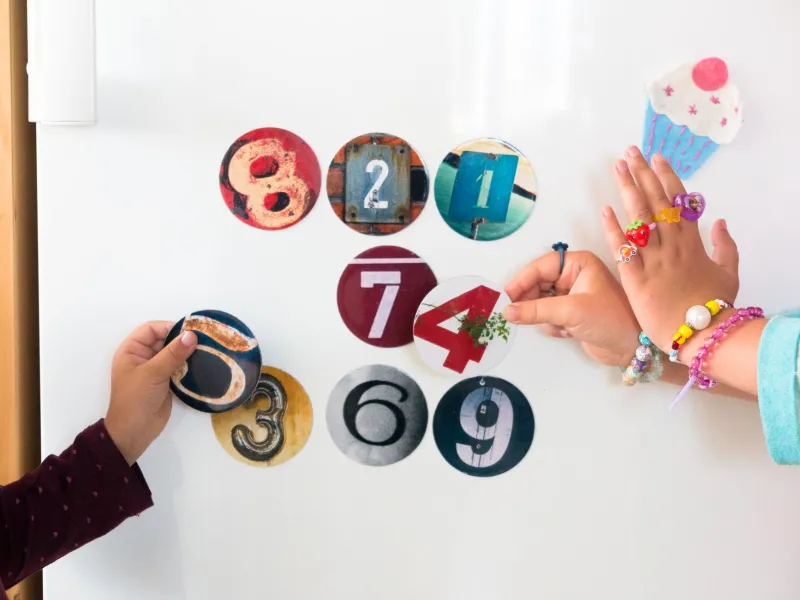
Every parent eventually hits the sticker chart wall. Ours arrived on a Tuesday, somewhere between a daycare drop-off that sounded like a hostage negotiation and a bedtime that took ninety minutes. The chart itself — the one with the smiling sun and the gold star stickers — was still on the fridge. My kid had simply stopped caring.
Turns out, that's pretty normal. Sticker charts are built for kids who can read a little, plan a little, and delay gratification a lot. Toddlers can do exactly none of those things. What they can do is recognize pictures, notice colors, and feel a whole lot calmer when they can see what's coming next.
So we threw out the chart (okay, recycled it) and built a routine board out of alphabet magnets and printed pictures. Total cost: about eight dollars. Total meltdowns at drop-off since then: noticeably fewer. Here's how it works and how to build your own.
Why Pictures Beat Stickers for Toddler Brains
A sticker chart rewards a toddler after the hard thing happens. A visual routine board shows them what's happening before — and for a two- or three-year-old, that's the difference between bracing for the unknown and walking into a known plan.
Early childhood educators have leaned on visual schedules for decades; they're a staple in preschools and speech therapy rooms precisely because young kids process images faster than words. The predictability lowers anxiety, and lower anxiety means fewer floor-down protests in the Target parking lot.
The side benefit? Kids start owning the routine. When your toddler can point at the next picture and announce "shoes!" you've gone from referee to teammate.
What You Need (Yes, It's Under $10)
- A baking sheet or magnetic whiteboard — we used a $4 dollar-store cookie sheet
- Alphabet magnets you already have scattered under the couch
- Photos or printed clip-art of routine moments: toothbrush, car seat, crib, cereal bowl, backpack
- Clear packing tape for laminating-on-the-cheap
- Stick-on magnets or magnetic tape for the backs of the pictures
Skip the fancy laminator. Packing tape over a small print is waterproof enough to survive a juice-adjacent kitchen.
Building the Board, Step by Step
1. Pick five to eight moments, max. Morning routine, daycare drop-off, lunch, nap, dinner, bath, bed. More than eight and it becomes wallpaper. Toddlers need the big beats, not the fine print.
2. Photograph your actual life. A picture of your car seat, your bathtub, and your front door lands harder than generic clip-art. Print them wallet-sized.
3. Add a color code. This is where the alphabet magnets come in. We put a red magnet next to every picture on the left side of the board ("not yet") and slide it to green ("done") as each moment happens. Bonus: my toddler started matching the letters on the magnets to the first sounds of each activity — the B next to the bath picture, the C next to the car. Sneaky letter practice, free of charge.
4. Put it at toddler eye level. Ours hangs on the fridge door, low enough that a determined two-year-old can reach every magnet. If they can't touch it, they won't use it.
5. Let them do the moving. The whole ritual is the child sliding the magnet from red to green. That little click of completion is doing the job a sticker used to — except it happens in the moment, which is when toddlers actually process it.
The Transition Spots Where It Shines
Daycare drop-off. The night before, we point to the board: dinner, bath, sleep, then backpack and car. Morning drop-off went from a cling-on-your-leg situation to a kid who grabs her own backpack because the board promised her it's coming.
Bedtime. Bath, pajamas, two books, lights out — in that order, visible, non-negotiable. When the "one more book" negotiation starts, we don't argue. We point. The board takes the heat so you don't have to.
Weekend curveballs. Saturdays break every routine, which is exactly why the board helps. Rearranging the magnets together on Saturday morning turns "why is today weird?" into "look, we made today's plan."
A Few Honest Notes
It's not magic. There will still be a morning when the board says shoes and your toddler says no with their entire body. Visual schedules reduce friction; they don't eliminate toddlerhood.
Also, resist the urge to over-engineer it. The board doesn't need to be beautiful — ours is a cookie sheet with a crooked photo of our bathtub. What matters is that your kid can read it, touch it, and move it themselves.
And when they start pointing at the C and the B all on their own? That's not just a smoother morning. That's a tiny brain connecting letters to life, one magnet at a time — which is exactly the kind of sneaky learning we're here for.


